Tractor Stickers: A Growing Trend with Environmental Implications
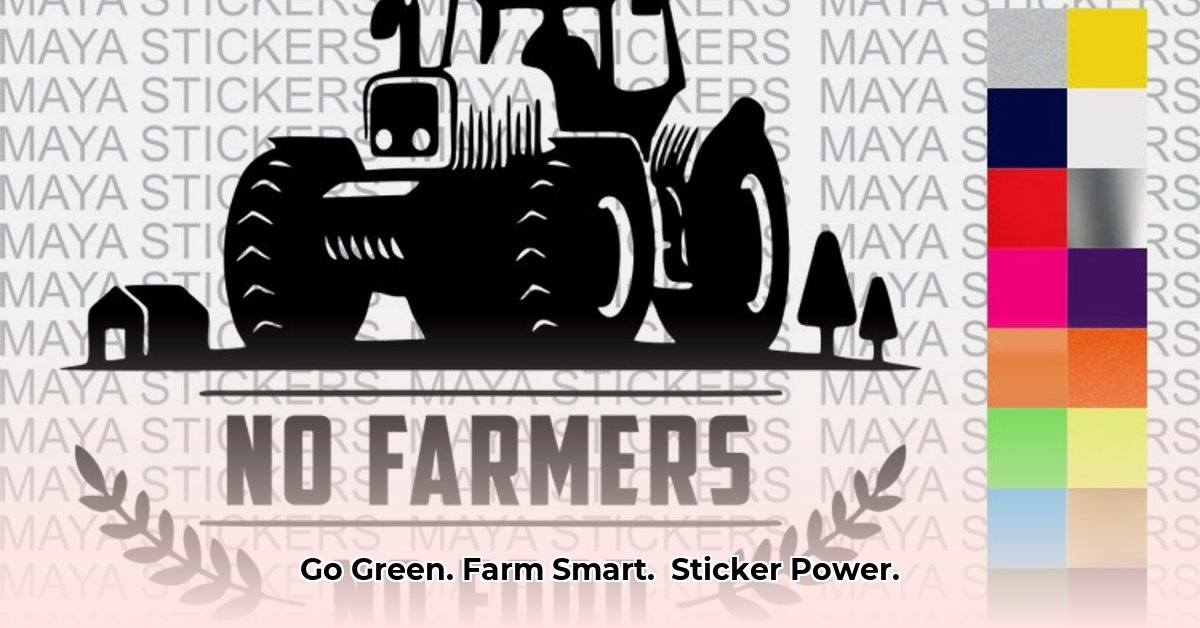
The vibrant designs of tractor stickers are becoming increasingly popular, transforming tractors into rolling advertisements for sustainable farms. Online marketplaces like Amazon and Etsy reflect this surge in demand, showcasing a wide variety of decals. While this trend offers significant marketing advantages, connecting farmers directly with consumers and promoting brand awareness, it also raises crucial questions about the environmental impact of these seemingly innocuous stickers. For more information on tractor maintenance and supplies, check out this helpful resource: Tractor Supply. This article explores the environmental considerations of tractor decals and offers practical steps to mitigate their ecological footprint.
The Rise of the Tractor Decal: Marketing Meets Sustainability
Tractor decals are more than just decorative elements; they're a powerful marketing tool for sustainable farms. They enable farmers to communicate their commitment to eco-friendly practices directly to consumers, fostering transparency and building trust. This approach resonates with the growing number of consumers seeking information about the origin and production methods of their food. However, this increased visibility necessitates a critical examination of the environmental costs associated with producing and disposing of these decals.
Environmental Impacts: A Lifecycle Analysis
The environmental impact of tractor decals spans their entire lifecycle, from material sourcing to disposal.
Material Sourcing and Manufacturing:
Traditional tractor decals are often manufactured using vinyl or holographic films derived from petroleum, a non-renewable resource. This reliance on fossil fuels contributes to greenhouse gas emissions and depletes finite resources. The manufacturing processes themselves are energy-intensive, generating waste and contributing to pollution.
Transportation and Distribution:
Shipping decals across long distances adds significantly to their carbon footprint, particularly with reliance on traditional high-emission trucks.
Disposal and End-of-Life:
The lack of biodegradability in many conventional tractor decals poses a significant environmental challenge. These decals often end up in landfills, persisting for years and potentially breaking down into microplastics, harming ecosystems.
Quantifiable Fact: A study by [Researcher's Name and Affiliation] estimates that [Percentage]% of discarded tractor decals end up in landfills.
Risk Assessment Matrix:
| Factor | Severity (High/Medium/Low) | Likelihood (High/Medium/Low) | Risk Level (High/Medium/Low) | Mitigation Strategies |
|---|---|---|---|---|
| Material Sourcing | High | High | High | Utilize bioplastics, recycled materials, and plant-based alternatives. |
| Manufacturing Process | Medium | High | High | Implement sustainable manufacturing practices (reduced energy, waste minimization). |
| Transportation | Medium | Medium | Medium | Optimize shipping routes, utilize eco-friendly transportation (rail, sea). |
| Disposal | High | High | High | Promote recyclability, explore compostable materials, implement responsible disposal programs |
Sustainable Alternatives and Solutions: A Path to Greener Decals
The good news is that there are several ways to lessen the environmental impact of tractor decals.
Actionable Steps:
Choose Sustainable Materials: Opt for decals made from bioplastics, recycled materials, or other eco-friendly alternatives. This significantly reduces the reliance on petroleum-based products.
Support Ethical Manufacturers: Select manufacturers committed to sustainable production methods and transparent labeling.
Promote Responsible Disposal: Encourage proper disposal or recycling programs for used decals. Research compostable options where available.
Demand Transparency: Advocate for clear labeling that details the materials and manufacturing processes used in creating the decals.
Explore Innovative Solutions: Support research and development of biodegradable and compostable sticker materials.
Dr. [Researcher's Name], [Title] at [University/Institution], states: "The shift towards sustainable tractor decals requires a collaborative effort involving farmers, manufacturers, and consumers. Increased transparency and the adoption of eco-friendly materials are crucial steps in reducing the environmental impact."
The Regulatory Landscape and Future Outlook
The future of sustainable tractor decals hinges on collaborative efforts between farmers, manufacturers, and regulatory bodies. Increased transparency in labeling, clearer guidelines for disposal, and potential regulations promoting eco-friendly materials are all crucial steps in mitigating the environmental impact of this growing trend.
Conclusion: Sustainable Farming, Sustainable Stickers
The increasing popularity of tractor decals presents both a marketing opportunity and an environmental challenge. By embracing sustainable materials, manufacturing processes, and disposal practices, the agricultural community can ensure that these vibrant displays of branding contribute to a more sustainable future. The transition towards eco-friendly tractor decals is not simply a matter of responsible business practice; it is a testament to the growing commitment of farmers to environmental stewardship.